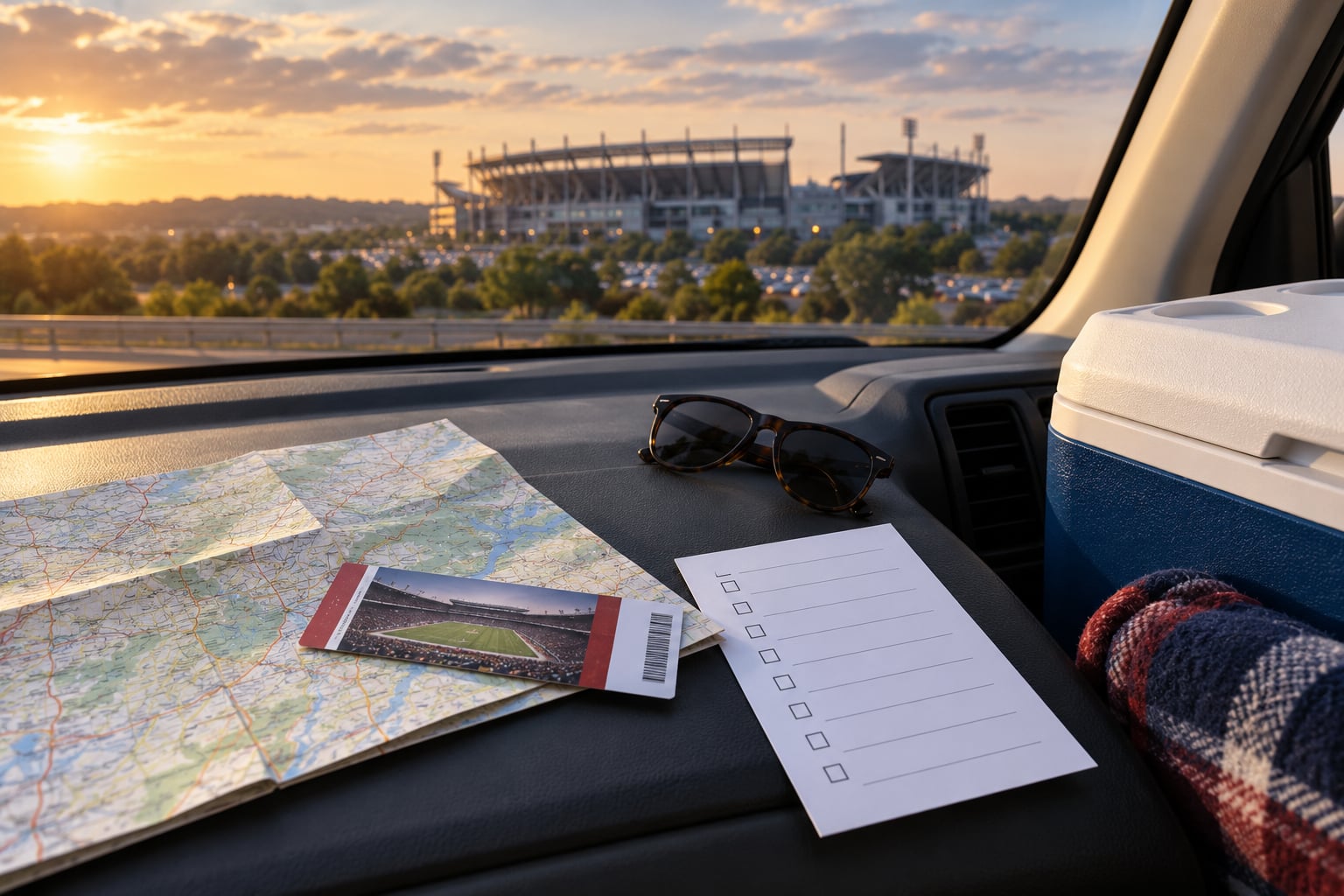
A college football road trip works in one order, and the order matters: choose the game, lock the tickets and a hotel, then work backward from kickoff to build your drive. Most blown budgets come from booking in that order backwards, when the only seats left are resale and the only rooms left are across town. Get it reversed and the trip runs itself.
So how to plan a college football stadium road trip that holds up in 2026? Start with the calendar, not the car. Schedules drop in stages, tickets go in waves, and game-day parking in a college town is its own small logistical problem. Budget an afternoon of setup per game and the drive becomes the easy part.
A word of warning before the checklist. College towns are smaller and further from airports than NFL cities, and transit is thin or nonexistent in most of them. One r/CFB planning thread summed it up as “you are not going to Manhattan, you are going to Manhattan, Kansas.” Plan for a car, a parking plan, and a hotel you can walk out of.
Table of Contents
- What You Need
- Step-by-Step: How to Plan a College Football Stadium Road Trip
- Common Mistakes
- Frequently Asked Questions
- How early should I arrive at a college football stadium?
- How much does a college football road trip cost per game?
- Is it cheaper to fly or drive to a college football game?
- How do you get tickets when face value sells out?
- What should I pack for a college football game?
- Can a college football road trip work for a family or a big group?
- Conclusion
What You Need
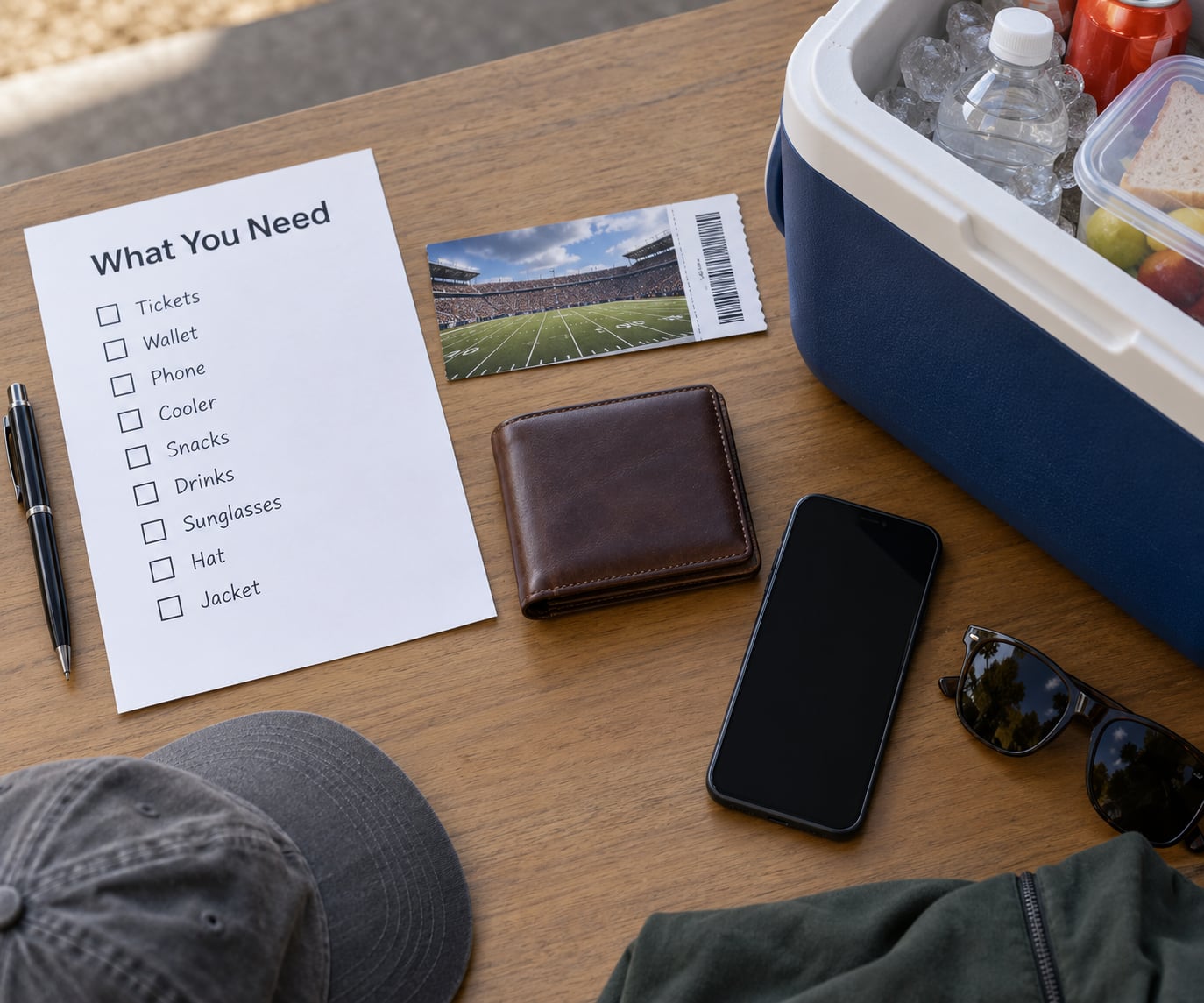
Tickets first, and download them to your phone the moment they arrive. Add a screenshot as a backup, because a college campus pulls cell service hard on game day and a dead phone at the gate is a real problem.
A government-issued photo ID matching the name on the order. Some programs scan IDs at the entrance, and a card in someone else’s name can mean walking past the turnstile with a valid ticket.
A vehicle with a full tank, plus the toll calculator open before you leave. Cash for parking and food, kept in small bills, because a game-day lot rarely has a working card reader and a twenty is easier than a card declined twice.
- Layers. Stadium seating at kickoff in October feels like nothing, and a cold front in late November feels like a punishment.
- A rain shell or poncho, and sunscreen if the game is a noon start.
- Broken-in shoes. You will walk more campus than you expect.
- An offline map of the stadium area and the campus, downloaded before you lose service.
- A portable charger and a car charger.
- Any prescription medication, plus a small first-aid kit.
- A written itinerary with hotel address, stadium address, and kickoff time, shared with someone at home.
- A printed or emailed copy of your hotel confirmation. Addresses on phone screens get mistyped in the dark.
That is the whole kit. Anything you add beyond this tends to become dead weight in the trunk by week three.
Step-by-Step: How to Plan a College Football Stadium Road Trip
Every step below hangs off kickoff time. Once you know when the game starts, you know when you must leave, when you must be parked, and how much of the day belongs to the tailgate. Work backward from that clock and the rest of the planning writes itself.
1. Choose the Game and Confirm the Schedule
Schedules for the coming season are released program by program, mostly between late winter and early spring, and conferences fill in their own dates in stages. Find the official athletics site for each school you are considering and note when its home slate goes live.
Check the matchup before you check the drive. A rivalry game, an in-state border war, or a White Out home game sells out and prices out on the secondary market. A September non-conference home game against a regional opponent is easier, cheaper, and often a better weekend for a first trip.
Confirm the kickoff window on the official site, because it is the single number your whole day depends on. Noon starts, 3:30 afternoon starts, and 7:00 or 8:00 night starts produce completely different travel days. Kickoff times often get adjusted a week out, so re-check seven days before you leave.
Then check where the game is played. Most are on campus, which is what you want. A small share are neutral-site games in a bowl or a postseason playoff, and those change the trip: no student section, no campus walk, and often higher ticket prices.
Last, count drive hours between stops. Games chained more than about six hours apart mean one of two long travel days, which is fine once or twice and miserable on a three-game loop. Stadiums in one conference region cluster nicely for exactly this reason.
2. Set a Realistic Travel Budget
Build the budget in fixed categories so nothing sneaks in. For a driver going alone, expect a range in the neighborhood of 300 to 600 dollars per game covering lodging, fuel, food, parking, and a ticket. A group of four sharing a room, a tank of gas, and one parking fee typically lands between 120 and 200 dollars per person. These are typical US ranges that move with the matchup, the conference, and the week of the season.
- Tickets: face value for a regular home game, several times that for a rivalry or a playoff game on the resale market.
- Lodging: a mid-range chain a mile or two from campus on a normal weekend, a noticeable jump on rivalry Saturday.
- Fuel and tolls: calculate per leg, not per season. Add 15 percent for city traffic around the stadium.
- Food: a breakfast on the road, a lunch from somewhere cheap near campus, and one sit-down meal.
- Parking: on-campus decks and lots usually charge per vehicle, and the RV lots charge more.
- Merchandise: budget a little, because the worst cost of a road trip is the shirt you did not mean to buy.
- Emergency reserve: a few hundred dollars you do not touch unless something breaks.
The cheapest version of a stadium trip looks like this: pick games within two hours of home, book a hotel with free cancellation well ahead, split fuel and parking across four people, buy season tickets if your school offers them, and eat before the stadium rather than inside it. A few r/CFB cost threads put a single road trip night in the same range as a flight, which is why the drive-versus-fly math matters so much for far-flung schools.
Book every hotel with free cancellation. Kickoff times and matchups shift in the spring, and a refundable rate is the only thing that makes it cheap to replan a trip around a better game.
3. Buy Tickets and Understand Stadium Entry Rules
Use the official ticket office first. Many programs sell single games to the general public, and season-ticket holders get first call, so single-game allotments can be thin for big games.
Understand the allocation system before you wonder why you could not buy a single ticket. Some schools distribute tickets by points, where you buy points and redeem them, and loyalty or years-attended priority decides who gets in before points do. A handful of large programs run all-ticket policies, meaning every ticket is bundled and resale is the only way to get a seat after season sales close. That detail alone should shape which games you target.
When you go to a resale marketplace, check three things before you pay: the section, row, and seat number, whether the listing is a mobile ticket or a hard copy, and what happens if entry is denied. Stadiums with mobile entry convert paper tickets to mobile at the gate, which adds a step and occasionally adds a problem. Name the platforms you compare rather than defaulting to the first one that appears: the official resale arm of the primary ticket seller, plus established secondary marketplaces.
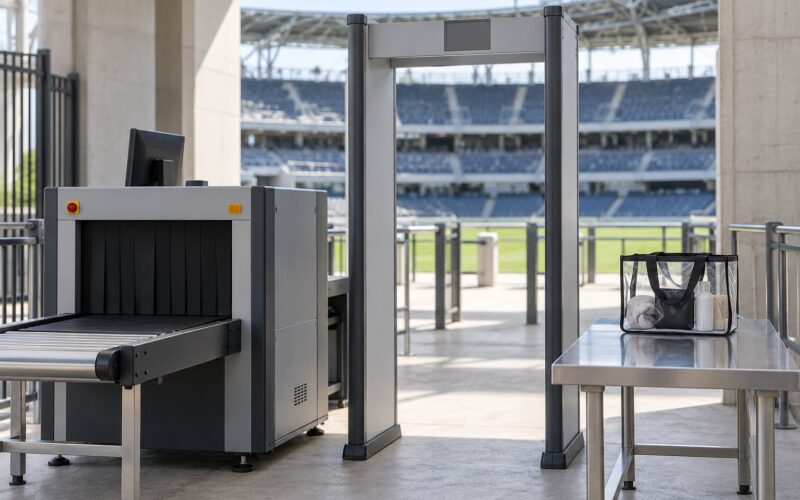
Read the stadium’s bag policy before you pack. Most venues allow a small clear bag, a factory-sealed clear tote, or a belt bag within a size limit, and they ban umbrellas outside the gates, so a poncho is the smarter buy. Some programs check ID, some limit re-entry, and some restrict what you can carry back out. Twenty minutes on the venue’s gameday page saves a wasted trip through the line.
4. Decide How to Get to the Stadium
Driving wins almost every time inside a conference region. You set the schedule, you carry coolers and folding chairs, and you leave when you want to leave. The cost is parking money and game-day traffic.
Flying wins on distance. Past roughly 500 miles one way, airfare plus a rental car and airport time can undercut fuel and overnight hotel costs, especially on a one-game trip. It loses the moment you add checked bags, airport parking, and a rental counter queue at midnight.
Rail and intercity bus are underrated in the Midwest and on the coasts, and a train into a small college town usually drops you closer to campus than the airport ever would.
A charter bus wins for large fan groups. One vehicle, one parking payment, and no designated-driver question at 11 p.m. It costs more per seat than splitting two cars, but it removes the coordination headache and the parking puzzle entirely.
Rideshare is the fallback, not the plan. Surge pricing on a loss-home team walking out of a stadium at 11 p.m. is real, and your driver may not want to wait 40 minutes on a closed campus loop.
5. Plan the Route, Parking, and Arrival Time
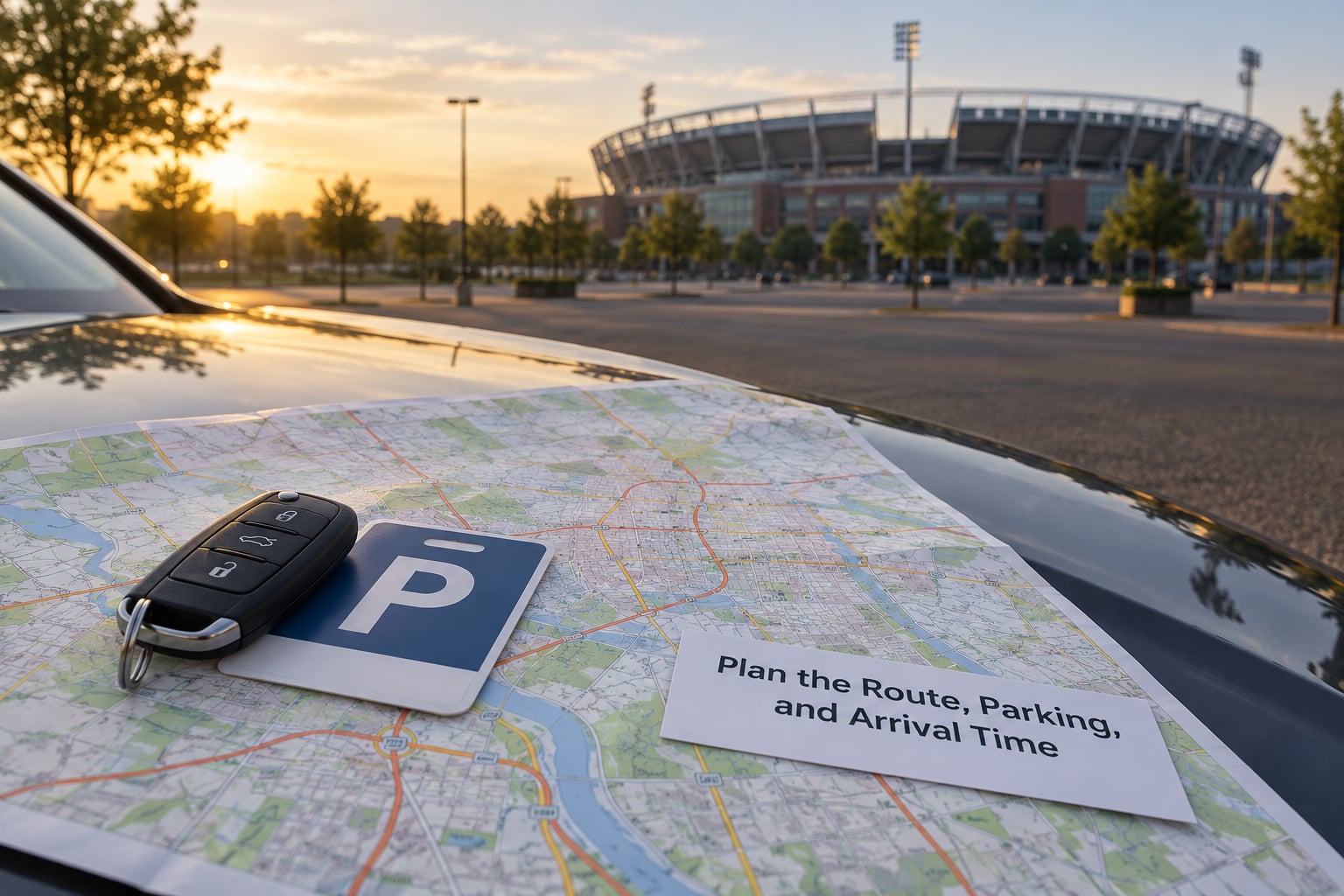
Map the full leg before departure, including the last three miles around campus. College stadiums sit on the edge of town, and the roads closest to the gates are the ones that close first.
Decide your parking method before game day. Some stadiums sell pre-game parking passes by lot, which guarantee a space and often cost less than day-of pricing. Others run first-come decks where you circle for twenty minutes. If you are driving an RV or towing, look up RV-specific lots and their separate rules well ahead, because they fill early and are rarely near the stadium entrance.
Know your drop-off point before you need it. Most venues have a designated rideshare and accessibility loop that closes early, and the legal drop-off street may be two blocks from the gate with the pedestrian route barricaded.
Then set arrival honestly. Aim for the stadium two to three hours before kickoff, and treat that as a floor rather than a goal. For a day game, that puts you at the tailgate before noon, which is the version most fans remember. For a night game, that gives you dinner and a walk through the campus before the gates fill.
Get into your seat ten minutes before the start. Pregame entrances, fight songs, and the team walk are part of the ticket price, and by the third quarter you cannot buy any of it back.
6. Prepare Your Team, Tailgate, and Stadium Kit
Wear one team color and stay out of the other. Rivalry weekends in particular are not subtle about this, and being on the wrong side of the section is a worse experience than being on the wrong side of the state.
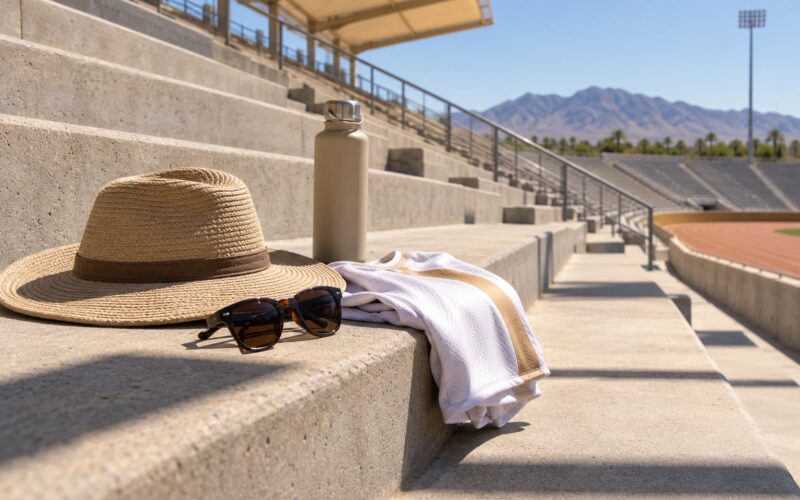
Pack a layer you can hold in one hand once you are inside the bowl. Sunglasses and a hat for noon games, a blanket or poncho for night games, and ear protection if you are near the band or the student section.
Tailgate rules are lot-specific. Many lots ban grills, open flames, glass, and generators, and some hand you a list at the entrance. Assume alcohol is not permitted unless the lot and the stadium both allow it, and plan for that by keeping the cooler to food and soft drinks.
Eat before the game. The same hot dogs that cost a few dollars outside the lot cost several times more inside the concourse, and the line at halftime eats twenty minutes of football.
Bring a portable chair only if you expect to spend real time in a lot. Near the stadium you will stand more than you think.
7. Handle Weather, Safety, and a Backup Plan
Check the forecast at 72 hours and again that morning. October and November games in the North and Midwest swing hard between afternoon sun and wind-driven cold, and a poncho in the trunk costs nothing against a soaked seat.
Know the venue’s lightning policy before you are under the stands with forty thousand other people. Most stadiums pause play or clear the bowl, and the suspended game is a different kind of night with different exit rules. Charge your phone before the storm arrives.
Share your itinerary. Somebody at home should have the hotel name, the stadium address, the license plate, and the number of the person driving. This is the cheapest step on the entire list.
Build a backup plan for the four things that actually go wrong. Kickoff moved by three hours. Tickets are disputed at the gate, so keep screenshots of your purchase and transfer confirmation. The hotel cancels, so screenshot the confirmation at booking. You are driving through a storm, so check weather alerts along the route rather than only at your destination.
And if the trip takes a hit, know the refund rules before you need them. Some prepaid ticket plans have their own terms, and travel insurance that excludes sporting events is more common than not.
Common Mistakes
Almost every ruined stadium trip traces back to one of these eight.
- Booking in the wrong order. Tickets and lodging first, schedule second. Fix: confirm the game and its kickoff window before you spend anything.
- Buying resale tickets without checking the seat. A great price in the upper level under the lights is a legitimate outcome, just not the one you pictured. Fix: check section and row before paying.
- Assuming parking is free or close. Most campus lots charge per vehicle, and the far lots fill first. Fix: check lot pricing in advance and reserve a pass where offered.
- Arrive at kickoff, not two hours before. Traffic, security lines, and the tailgate all happen before the first snap. Fix: set arrival at kickoff minus three hours.
- Ignoring the bag policy. A clear bag you did not bring gets left in the trunk. Fix: read the venue policy, then pack to it.
- Packing like you are moving. Three games of gear in a suitcase you never open is just weight. Fix: one bag, one week’s clothing, refill on the road.
- Skipping the weather check. A November stadium in the upper Midwest is a different trip from the same game in October. Fix: forecast at 72 hours and the morning of.
- Leaving without a backup. No shared itinerary, no spare cash, no idea what to do if the hotel cancels. Fix: ten minutes on the phone before you drive.
Two more that come up constantly with groups. Splitting a hotel room without agreeing who books it, and driving the night of a night game when everyone is tired. Assign both jobs the week before.
Frequently Asked Questions
How early should I arrive at a college football stadium?
Most fans arrive two to three hours before kickoff. For an afternoon game that means reaching the tailgate before noon, which is when the best food, music, and company of the day happen. For a night game it buys you dinner, a walk through campus, and a seat before the pregame entrance and fight song. A hard rule for groups: everyone in your seat ten minutes before the start, because the walk onto the field is part of the experience you cannot re-watch.
How much does a college football road trip cost per game?
Plan roughly 300 to 600 dollars per game if you drive solo, or 120 to 200 dollars per person when four people share a hotel room, one tank of gas, and one parking fee. Tickets dominate the total on rivalry and postseason games, where resale runs several times face value. Regular home games against non-conference opponents cost far less and are the cheapest way to visit a stadium.
Is it cheaper to fly or drive to a college football game?
Drive inside a conference region, where parking money and fuel cost less than airfare, a rental car, and lost travel time. Fly past roughly 500 miles one way, especially for a single game, since airport time and checked bags can erase the fuel savings. Split the difference with rail or intercity bus in places where it runs, which often drops you closer to campus than the airport would. Add a night at a hotel near the stadium and the two options get close again.
How do you get tickets when face value sells out?
Most remaining tickets come through the stadium resale arm of the primary ticket seller or through established secondary marketplaces. Sort listings by total price including fees, not by the headline number, and check the section and row before paying. Avoid anything promising a face-value deal with no seat details. Timing matters too: prices on a rivalry game usually climb in the week before, while an ordinary home game often softens in the days ahead.
What should I pack for a college football game?
Pack to the stadium bag policy first, since most venues allow only a clear bag, a factory-sealed clear tote, or a small belt bag. Umbrellas are usually banned, so bring a poncho instead. Add layers, sunscreen for noon games, broken-in shoes, a power bank, a small amount of cash, and a clear bag that meets the size limit. Coolers, grills, and glass are commonly barred from tailgate lots.
Can a college football road trip work for a family or a big group?
Yes, and families do it more than any guide suggests. Book rooms within a mile of campus so nobody has a long walk with kids or a folding chair, and confirm the stadium’s accessibility seating process early, since family ticket allocations often differ from general sales. For groups above about twelve, a charter bus or a rented van splits parking into one cost and removes the designated-driver question. Agree on who books rooms and who handles the cooler before you leave.
Conclusion
Confirm the game and its kickoff window, secure tickets through the official office first, book a refundable hotel within a mile of campus, choose your mode of travel, and set a per-game budget you will not renegotiate on the road.
Everything else follows from those five decisions. Work backward from kickoff, arrive three hours early, pack to the bag policy, and send someone your itinerary. That is how to plan a college football stadium road trip that still looks smart in the mirror on the drive home.