To plan a trip to a March Madness game, pick your round and host city first, set a total budget, then book lodging and tickets in that order starting about four months out. The tournament compresses a huge fan crowd into a handful of cities for roughly three weeks, so the trips that feel effortless are the ones booked early.
I have planned and scrambled through these trips, and the pattern is always the same: people get in trouble when they start with tickets before they know which city they are in, or when they treat a March trip like a normal weekend away. Do the research first, spend money second.
Here is the order that works, plus what to bring, where the money goes, and the mistakes that cost fans the most.
Table of Contents
- What You Need
- Step-by-Step: How to Plan a Trip to a March Madness Game
- Frequently Asked Questions
- How far in advance should I book a March Madness trip?
- Where should I stay when attending a March Madness game?
- Is it better to fly or drive to a tournament game?
- What should I bring into a March Madness venue?
- How early should I arrive at a March Madness game?
- What should I do if the tournament schedule changes?
- Conclusion
What You Need
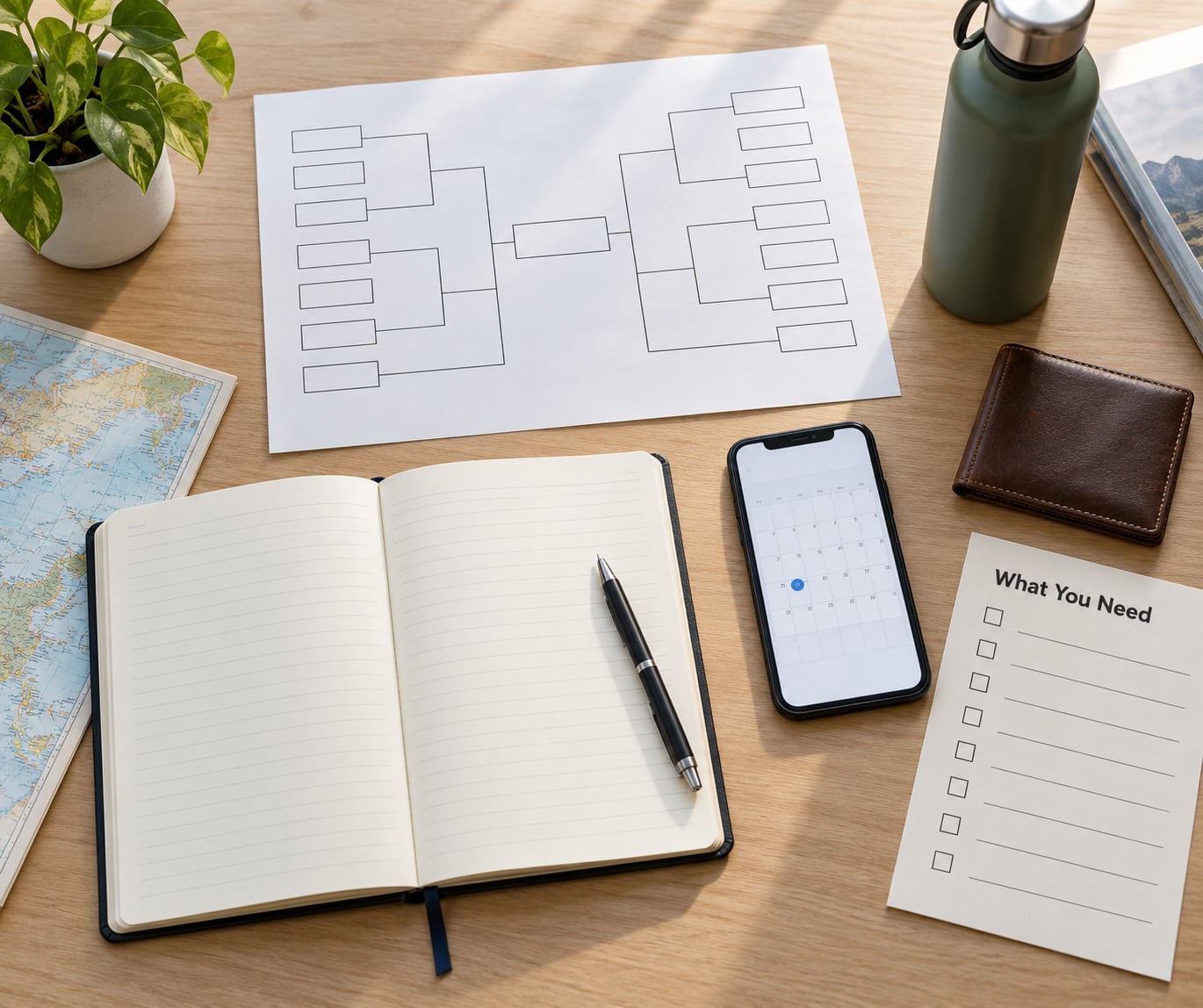
Before you open a booking site, get six things settled in your head.
- The round and city. Which day of the tournament are you targeting, and which host city hosts it? Both are published on the official NCAA tournament site and bracket once the field is set.
- Your game interest. Are you following a specific team, chasing a matchup, or simply buying tickets for a city and session?
- Your ticket source. Official marketplace, a team’s or venue’s sale, or an authorized resale platform. Know this before you browse.
- Travel documents and identification. Whatever you need to fly, drive or cross a state line, plus a photo ID matching the ticket name.
- Lodging needs. Number of nights, number of rooms, how far you will tolerate a commute, and whether you need free cancellation.
- A total budget and a flexible schedule. Include a buffer of a couple of days either side of the session so a late game does not wreck the trip.
If you are flying, add airport parking or a ground transport plan to that list. If you are driving, add a parking reservation. These are the small items that produce the worst surprises.
Two trip types need different setups. A family group with kids needs shorter days, a hotel with a pool or a kitchen, and a plan that does not depend on a late tip-off. A group of friends going for atmosphere cares more about the game, the food and walking distance from the bar. A solo traveler should book a room near the arena and eat where you can walk, because a car in a tournament city is a liability.
Step-by-Step: How to Plan a Trip to a March Madness Game
1. Choose the Game and Destination
Start with one honest question: are you following a team or buying an experience? If your team is in the field, the destination is decided for you, at least for the first two games. If the field is not your priority, choose a city and a round, then buy tickets for whatever is available.
The trade is straightforward. Earlier rounds mean cheaper seats, easier entry and more empty seats; the Final Four means the best atmosphere in college basketball and the hardest logistics. Fans on r/CollegeBasketball keep landing on the same conclusion, that a good first-round game in a fun city beats a distant semifinal every time.
Check the official schedule and bracket for dates, venues and session times, and confirm them again closer to the trip. Tournament schedules shift as results come in, and regional pods rotate, so an article written two years ago is not a source.
Host cities matter as much as the venue. Fans on r/vegas ask for off-Strip locations specifically because the famous district is expensive and far from the arena. Before committing, check how many games your city hosts, whether you want every game or just one, and how far the arena sits from the downtown dining and nightlife you would actually use.
2. Set a Realistic Total Budget
Build the budget as one number per person, then split it into five buckets: ticket, lodging, transportation, food, and everything else. Everything else is parking, rideshares after the final buzzer, a bracket-pool entry, a commemorative T-shirt you will not wear again, and the coffee you buy because the line is forty minutes long.
Rates move a lot depending on the round, the seat, the city, how far ahead you book and how much demand the matchup creates. Later rounds and Final Four cities cost multiples of an opening-round trip. Give yourself a per-person ceiling and a per-day food allowance, then check whether the ticket fits inside the ceiling before you book anything else.
A useful worksheet: nights times nightly rate, divided by the number of people sharing the room, plus a fixed daily amount. Do that math before browsing, because a rate that looks reasonable on its own can wreck the total once you add it to flights.
3. Find and Verify Tickets
Official channels come first: the NCAA’s own ticket operation, then any team or venue sale that goes live to the public. After that, authorized resale platforms are the normal route for fans who need a specific game or a specific number of seats.
Before you pay, confirm five things in the listing or with the seller: the game and date, the venue, your section and row, the entry method, and the transfer rules. Digital tickets are often delivered by email or held in an app account, and transfer windows can close before game day. Make sure the ticket is transferable to you and that you can access it on the phone you will actually carry.
Scam warnings are not paranoia. Deals that look too good usually involve a fake confirmation, a payment link that is not the platform’s own, or a seller who vanishes after the transfer window closes. Pay inside the platform, keep screenshots of the listing and the confirmation, and never wire money or send gift cards to hold seats.
4. Book Lodging Close to the Action
Three zones usually cover it: downtown properties within a short walk of the arena, arena-adjacent hotels and convention blocks, and cheaper rooms a short drive or shuttle ride out. Walkability beats almost everything else, because a ten-minute walk beats a free shuttle that runs once an hour.
A rough booking order works well for most people:
- Sixteen weeks out: decide the round and city, then reserve refundable rooms. This is the window where the best-located properties still have inventory.
- Twelve weeks out: buy tickets through official channels or an authorized resale platform, and confirm the transfer rules.
- Eight weeks out: lock flights, trains or fuel plans, and reserve parking if you are driving.
- Four weeks out: recheck rates on the same hotel. A refundable booking lets you move to a better deal without losing the room.
- One week out: confirm entry times, bag rules and transportation, then stop reopening the booking sites.
That last line matters more than it sounds. Every time you reopen a tab, you are tempted to make a decision that a tired evening is making for you.
Compare cancellation policies carefully. Rates in tournament cities climb steeply as the weekend approaches, and a refundable booking lets you rebook if a better deal appears. One TripAdvisor poster booked a Las Vegas property well ahead and still had the option to rebook when rates dropped, which is the whole argument for paying a little more for flexibility.
Check the check-in time too. A 3 p.m. check-in and a 1 p.m. tip-off means luggage management, so either arrive early or plan to drop bags at the venue or a bag check. r/vegas regulars make the same point about booking early, because tournament weekends fill the big properties and the good rates disappear first.
5. Plan Getting There and Back
Driving wins if you live within a few hours and your group is splitting the cost, because parking can be reserved ahead and you are never waiting for a shuttle. Flying wins if you live farther out, and then the ground leg from the airport becomes the part you need to plan.
Whichever way you go, book the arrival with a real buffer. Reserve parking rather than hunting for it on game day. Learn the rideshare pickup zone before you need it, and expect surge pricing the moment the game ends, when forty thousand people leave at once. If you have a flight or a long drive the next morning, that surge is the most expensive part of your day and worth avoiding.
Public transit and shuttles are genuinely good in some host cities and unreliable in others. Check the local transit agency’s tournament service page for added game-day lines before you count on it.
6. Build a Flexible Game-Day Schedule
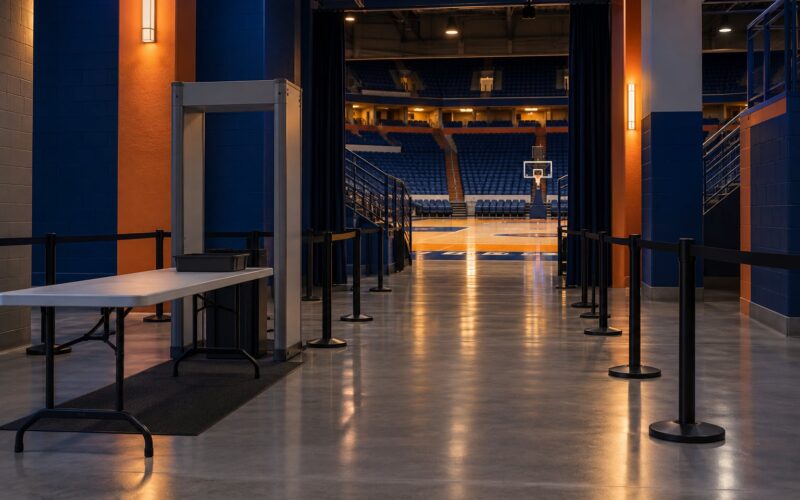
Work backwards from tip-off. Add the recommended early arrival for a big tournament game, then add time for the security line and bag policy, then add the drive or walk to the arena. That stack is usually longer than people expect on their first visit.
Leave a gap before the game for a fan zone or district event if you want one, and eat before you enter rather than assuming you will get in and out between games. On a doubleheader day you will be in your seat for hours, so plan a bathroom break around halftime rather than at the end of the game.
Verify hours, entry windows and any bag rules on the venue’s official page in the days before the trip. Tournament hosts publish these, and they change from game to game.
Off days are where a good itinerary gets built. Cities hosting several sessions usually run free fan events, watch parties and a festival district in between, and the local convention bureau will list them. Fill those hours with one real attraction plus one free event, and you have a day that does not drain the budget. Plenty of fans also build the trip around a bracket-pool party, which costs nothing and gives everyone a reason to be watching basketball together.
7. Pack for an All-Day Tournament Experience
A short list covers almost everything:
- Tickets, a photo ID that matches the ticket, and the order confirmation saved on your phone
- Comfortable clothing in your team’s colors, plus layers for a cold arena and a warmer afternoon outside
- Walking shoes that handle long security lines and concrete
- A small bag that fits the venue policy, since large bags usually mean a long trip through a separate check
- A refillable water bottle where it is allowed, snacks, and a portable charger
- Sunscreen for daytime queues, and any medication you normally take
Check the venue’s clear-bag rules and prohibited list rather than assuming. Outside food rules, bottle rules and metal items vary by arena, and local rules around glass or outside alcohol are worth a quick look before you leave home.
8. Confirm Everything the Night Before
Run this checklist the evening before: ticket in hand or accessible in the app, venue address and parking location saved, entry time confirmed, transportation booked or planned, weather checked, bag policy re-read, payment methods ready, and the official tournament and venue channels bookmarked for alerts.
Then write the backup plans. What do you do if your team loses early and the game you wanted is gone? What if the schedule shifts an hour? What if your ticket does not load, or the restaurant you booked is fully booked by the time you arrive? A good trip has a plan B, and a bad one is three hours of refreshing a web page.
Two backups are worth building in advance. If you are following a team, know the nearest host cities in case you want to travel to the next game. If you bought single-game tickets in a multi-session city, know that other games in the same building may still be available.
Common Mistakes
Buying from an unverified seller is the mistake that can end a trip before it starts. Stick to official channels and established resale platforms, pay inside the platform, and confirm the transfer rules before you commit.
Booking nonrefundable plans too early is the second big one. Rates fall sometimes, and refundable rooms and flexible tickets give you the room to adjust when your team draws a better or worse seed than expected.
Ignoring walking distance causes more misery than an expensive room. Ten extra minutes on foot beats a shuttle wait with a hundred other people after a loss.
Assuming the schedule stays fixed catches a lot of fans. Play-in results and later rounds change start times, and you should confirm against official tournament information rather than a saved screenshot.
Arriving late is the fix nobody regrets. Tournament crowds move slowly through entry, and being outside at tip-off with a valid ticket is a miserable way to spend two hours.
Packing prohibited items is small but annoying. A full-size bag or a metal water bottle can send you to a separate screening line, which eats the arrival buffer you just built.
Frequently Asked Questions
How far in advance should I book a March Madness trip?
Start about four months before tip-off, and lock lodging first because host-city rooms are the constraint that disappears fastest. Tickets and flights can follow within a few weeks of each other. If you want a refundable rate and a realistic choice of seat location, earlier is better. Waiting until the final week usually means paying more and choosing worse seats.
Where should I stay when attending a March Madness game?
Within a short walk of the arena if you can afford it, because security lines and post-game traffic make distance expensive in time. Arena-adjacent hotels are the second best option, especially when they run a tournament shuttle. Cheaper rooms farther out work fine if you have a car and accept a longer ride each way.
Is it better to fly or drive to a tournament game?
Drive if you live within a few hours and several people are splitting fuel and parking, since you can reserve a spot and skip the rental counter. Fly if you live farther out or are coming for one session. Whichever you choose, reserve parking ahead and expect rideshare prices to spike the moment the game ends.
What should I bring into a March Madness venue?
Bring your ticket, a photo ID matching the ticket name, and the order confirmation saved on your phone. Add layers for a cold arena, walking shoes, a small bag that fits the venue policy, a portable charger, water where it is allowed, and any medication you need. Check the venue’s clear-bag and prohibited list before you pack.
How early should I arrive at a March Madness game?
Plan on arriving two hours before tip-off for a big tournament game and slightly less for an opening-round game with a less crowded field. That covers parking or transit, walking to the venue, the security line, bag check, finding your seats, and the pregame atmosphere. Arriving at tip-off with a valid ticket is the classic first-timer mistake.
What should I do if the tournament schedule changes?
Check the official tournament and venue channels first, then adjust your transportation before you adjust your lodging, since a shifted start time usually means a shifted arrival and departure. Save a second backup game in the same city if you bought single-game tickets, and keep your first night flexible so a rescheduled session does not strand you.
Conclusion
If you remember three things, make them these: identify the game and the city first, set one honest total budget per person, and verify ticket and venue details through official tournament channels before you lock in anything nonrefundable.
Everything else is detail, and detail is what the timeline is for. Start four months out with lodging, keep your dates flexible, and check the venue rules again the night before. A March Madness trip is a lot of fun once the logistics stop being a problem, and the planning above is most of what stands between you and that.