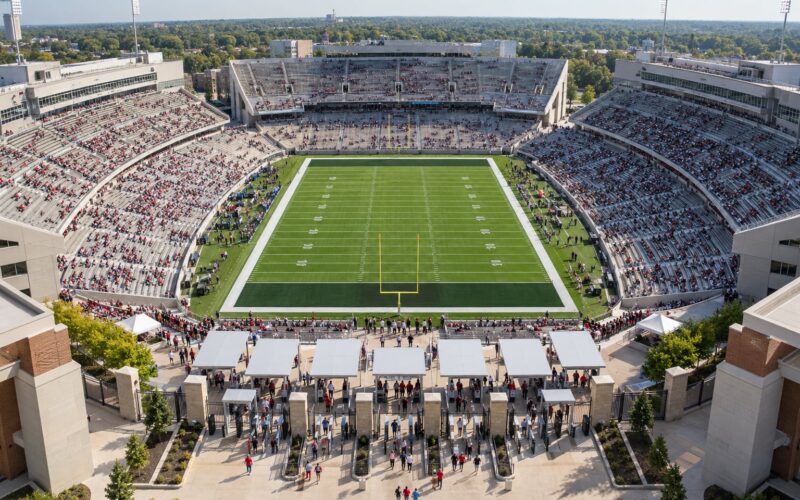
A college football alumni weekend is a multi-day homecoming event built around one home game, where graduates come back to campus for class reunions, pep rallies, tailgates, a homecoming court crowning at halftime and postgame receptions. Understanding how college football alumni weekends work matters because almost everything about the weekend, from who gets a seat to when the game kicks off, is set by the athletic department and the alumni association months in advance.
Most schools run these weekends on a similar skeleton, and once you see that skeleton the whole thing stops feeling mysterious. The game is the anchor, but the surrounding programming is where the reunion actually happens.
Table of Contents
- How College Football Alumni Weekends Work
- Why Do Colleges Hold Football Alumni Weekends?
- How Are Alumni Game Times and Schedules Decided?
- Who Gets Invited to an Alumni Game?
- What Happens During a Typical Football Alumni Weekend?
- How Do Tailgates, Reunions, and Team Events Work?
- What Do Alumni Weekend Tickets and Invitations Include?
- How Much Does a College Football Alumni Weekend Cost?
- How Can Fans Plan an Alumni Weekend Away?
- What Should You Wear or Bring?
- Frequently Asked Questions
- Can anyone attend a college football alumni game?
- Do alumni weekend invitations include tickets?
- Can family members attend an alumni game with an invited alumnus?
- Is an alumni weekend always played on Friday night?
- Can fans attend alumni events without attending the football game?
- What happens if an alumni game time or venue changes?
- Conclusion: What to Do First
How College Football Alumni Weekends Work
How college football alumni weekends work comes down to four moving parts: a designated home game, a reunion cohort that anchors the invitation list, a block of daytime and evening events, and a registration process that runs through the alumni association rather than the ticket office.
An alumni weekend is not the same thing as an ordinary home game. A regular home game may have a band performance and a few alumni in the crowd. An alumni weekend is a scheduled block of programming with named events, printed or digital itineraries, and a registration deadline, usually set several months out.
Typical participants fall into a few overlapping groups. Former players and coaches often get separate handling because they are recognized on the field. Reunion classes get cohort dinners and class dinners. Donors get hospitality tents and sometimes a private reception the night before. Families turn up, often in bigger numbers than the school plans for.
That last group catches a lot of programs off guard. The institutions that do this well build family programming and alumni-child activities into the weekend by design rather than treating it as a surprise.
The word alumni covers students who never played a snap, too. Anyone with a graduating year gets counted in the reunion system, which is why the weekend draws engineers, teachers and nurses alongside former linemen.
Why Do Colleges Hold Football Alumni Weekends?
The stated purpose is fellowship and connection. Graduates who drifted away come back, see how the campus changed, and reconnect with people from their years there. That reunion feeling is the part schools put in the brochure.
The institutional reasons are more practical. Alumni who return become donors, event volunteers, season-ticket buyers and the people who call a former roommate to get them to a game next fall. A weekend where someone feels genuinely welcomed is cheap compared to what it costs to acquire that person from scratch.
Football carries more weight than other sports at most schools, so an alumni weekend built around a football game doubles as a fundraiser, a season-ticket sales pitch and a recruiting visit for the kids of graduates.
There is a soft-pedal version of this that returning alumni notice quickly. Forum complaints about alumni events being mostly donor cultivation are not imagined. The difference between a weekend that feels worthwhile and one that feels like a sales call usually comes down to whether your class is actually invited to something or just counted in the giving total.
How Are Alumni Game Times and Schedules Decided?
Alumni games are usually chosen for convenience, not drama. Programs tend to pick a home date that has an opening in the schedule and gives a reasonable turnaround before the next game, which often means a Friday night kickoff or a Saturday afternoon slot rather than a nationally televised night game.
Conference play and television contracts drive much of this. Once a school commits to a broadcast window, kickoff times stop being the athletic department’s to set, and an alumni weekend gets built around the broadcast rather than the other way around. Some programs avoid rivalry games and nonconference matchups entirely for this reason, choosing a game the schedule can bend.
Weather plays a role too. A late-October homecoming game means a cold tailgate in most of the country, and plenty of programs would rather not build their alumni hospitality around freezing rain.
Verify everything yourself. The alumni association’s reunion page and the athletic department’s schedule are the two authoritative sources, and they update when kickoff moves. Schedules from last year are worthless here.
Who Gets Invited to an Alumni Game?
Eligibility varies by program, and the honest answer is that it varies more than the marketing suggests. Former players, coaches and team staff are usually contacted directly by the athletic department. Reunion classes get mail and email invitations tied to their anniversary year. Some programs open registration to all alumni and simply reserve cohort programming for milestone years.
The anniversary system is the piece most outsiders find confusing. Reunion years follow a standard cycle, and each one carries different programming and a different expectation around giving.
| Anniversary | Who attends | Typical programming | Giving expectation |
|---|---|---|---|
| 5th | Recent graduates, often with young kids | Campus tour, alumni college sessions, casual reception | Low; often the class gifts a donation together |
| 10th | Graduates settling into careers and families | Class dinner, alumni speaker events, Saturday reception | Modest; reunion dues sometimes apply |
| 25th | Mid-career cohorts, large attendance | Class dinner, department events, pregame function, cohort seating | Higher; reunion giving becomes a class project |
| 50th (Golden Reunion) | Long-tenured graduates and spouses | Convocation, gala dinner, halftime recognition, lifetime achievement honors | Highest; often anchors a named class gift |
| 60th and beyond | Honorees from decades ago | Convocation, remembrance events, private lunches | Symbolic; the programming is the point |
Golden Reunion is the anniversary with the most ceremony, and it is the one most schools work hardest to fill. If your class hits a multiple of five this year, register early. Those seats and dinners run out first.
Being a spouse or partner of an alumnus is usually handled by including a plus-one on the registration rather than a separate invitation, and the rules for children vary by school. Ask, do not assume, because a lot of cohort dinners are ticketed per head.
What Happens During a Typical Football Alumni Weekend?
It runs Thursday through Saturday, with a Sunday send-off for the diehards. The game sits in the middle, and almost everything else is arranged around it.
| Day | Morning | Afternoon | Evening | Who attends |
|---|---|---|---|---|
| Thursday | Arrivals, hotel check-in | Campus tours, alumni college sessions, golf | Athletics hall of fame dinner, class cocktail receptions | Milestone classes, donors, award honorees |
| Friday | Reunion class breakfasts, per-department gatherings | Family tailgates, alumni tent village, marching band pregame | Class dinners, pep rally, homecoming parade or bonfire | Broadest mix of the weekend |
| Saturday | Young alumni events, family activities | Final tailgating, alumni tent village, pregame ceremonies | Homecoming football game, homecoming court crowning, postgame dance or reception | Everyone |
| Sunday | Community service project, farewell brunch | Departures | — | Optional; mostly milestone classes |
What are the six standard components of an alumni weekend?
Nearly every school runs some version of these six, even when the names differ:
- A reunion class dinner or luncheon where your cohort sits together and usually gets called up to be recognized.
- A pep rally or spirit rally run by students and the marching band, sometimes paired with a parade, a bonfire or a lawn festival.
- A tailgate in a designated zone, often with alumni tents, alumni awards and a visiting former player or two.
- Convocation or alumni college sessions where the president speaks to alumni, or faculty run sessions tied to a reunion theme.
- The football game itself, with a pregame ceremony and homecoming court crowning at halftime.
- A postgame reception or dance, which is often the most alumni-heavy event of the three days.
Football is one of those traditions that still draws multiple generations at once. Walk through an alumni tent village and you get grandparents, parents, teenagers and small kids in school colors, all watching the same team.
How Do Tailgates, Reunions, and Team Events Work?
Tailgating at an alumni weekend is more structured than a regular home game. Many schools open a designated tailgate zone with ticketed or reserved alumni spaces, assign tent vendors, and run shuttle service from park-and-ride lots because on-campus parking is usually restricted to permit holders.
That restriction is the single most common surprise for a returning alum who assumes they can drive to the stadium. They usually cannot.
Class reunions run on an RSVP system. Your class committee, sometimes a volunteer rather than the school, collects headcount, dietary needs and plus-ones, then books a room on campus or a restaurant off it. This is why registration deadlines are strict; the room is paid for whether you show up or not.
Team-adjacent events include the hall of fame induction dinner on Thursday, which is often the most selective invitation at the weekend, and donor hospitality, which tends to be quiet and excellent rather than loud and public. Former players usually get a game-day recognition moment, and some programs bring back multiple generations of a family football lineage to be introduced at halftime.
Pep rallies still work because of the marching band, not the speech. Band performances, fight songs and the homecoming court introduction do more to fill a stadium than anything an announcer says.
What Do Alumni Weekend Tickets and Invitations Include?
An invitation is not automatically a ticket, which is the part that catches out-of-state alumni. Schools handle this a few different ways, and the package contents depend on what the class purchased years ago.
Typical components of an alumni weekend package include a game seat in a cohort section, admission to the pregame function, a class dinner, a postgame reception, a shuttle pass or parking permit, and sometimes a commemorative item like a memento or a reunion glass. Some packages bundle several of these; some include only the seat and the dinner.
Out-of-state alumni usually have two routes. If your class holds a block of seats, you request through your class committee or the alumni association. If no block exists, you go through public or alumni ticket sales, and alumni pricing is often better than the general public but availability is much thinner on homecoming dates.
Merchandise and hospitality add-ons are separate purchases. Alumnus, alum and legacy ticket tiers at some schools carry early-purchase windows and include perks like a pregame meal or a merchandise credit, but the threshold for buying those can be surprisingly high.
How Much Does a College Football Alumni Weekend Cost?
There is no single number, and anyone who gives you one is talking about their school on their year. The honest breakdown is a few fixed costs plus a variable block that swings wildly with how far you travel and how much you eat. Costs are typical US ranges and they vary by region and change over time, so treat them as a shape rather than a figure.
| Cost category | Typical level | Fixed or variable | How to control it |
|---|---|---|---|
| Game ticket or alumni package | Moderate to high | Fixed once bought | Class seat blocks; early purchase windows |
| Travel | Low to very high | Fixed by distance | Book early; drive instead of fly if within a few hours |
| Lodging | Moderate to very high | Variable, spikes on homecoming | Use the campus hotel block listed by the alumni office |
| Food beyond the meal | Moderate | Variable | Class dinners and tailgates cover more than they cost |
| Parking or shuttle | Low | Fixed | Park-and-ride shuttle instead of on-campus permit |
| Merchandise and donations | Low to moderate | Optional | Skip impulse gear; give directly if you intend to give |
The two costs that catch returning alumni out are lodging and last-minute tickets, and both are timing problems. Homecoming weekends are the priciest nights of the fall season at most hotels near campus, and the reserved alumni blocks are released in waves that can close before you decide to go.
There is also an optional layer of spending that is entirely elective: gala tickets, golf outing fees, a seat upgrade, a class gift contribution. A perfectly good alumni weekend costs only what you choose to spend on it.
How Can Fans Plan an Alumni Weekend Away?
Work through this in order, because each step depends on the one before it.
- Find the official alumni weekend page from your school’s alumni association or athletic department. Not a third-party event calendar.
- Check the game schedule and confirm the designation, then note the registration deadline and the RSVP deadline for your class.
- Figure out your class’s programming and whether your anniversary year is a milestone year with a gala attached.
- Reserve your travel and lodging before you buy the game ticket, because the room block and the seat block are both finite.
- Solve parking early. Decide shuttle versus permit before the day of.
- Watch the weather forecast for a ten-day window out and pack for it, since October and November kickoffs range from warm to genuinely cold depending on where you are.
- Confirm campus access rules, which tighten during homecoming and can affect where you park and which buildings you can walk into.
- Set a budget before you book anything and check the school’s refund deadline, which is usually firm.
One more piece of practical advice: download everything offline. Cell service at a packed stadium is unreliable, and a schedule you cannot open is a real problem when the kickoff moved and you are standing in the wrong end zone.
Programs that bundle homecoming with family weekend increasingly run their alumni and family programming in parallel, which means some events serve both crowds and some are cohort-only. Read the itinerary carefully rather than assuming an event is open because it appears on the general schedule.
What Should You Wear or Bring?
Wear school colors. That is the local custom, and someone in plain clothes does stand out in a way that is more awkward than it sounds, especially at an alumni tailgate.
Layer for the stadium seat, not the tailgate temperature. Kickoff on an October afternoon can be mild and the fourth quarter genuinely cold, and there is no closet between them.
Wear closed-toe, broken-in shoes if you will be on concrete and grass all day. Stadium floors plus a tailgate field is a long stretch of walking in hard shoes.
Bring a photo ID, because many campuses tighten security entry for homecoming. Bring a card and a small amount of cash, since some campus transactions are card-only while others are cash-only and you cannot predict which. Bring an offline copy of your tickets and schedule.
A small first-aid kit is worth it when you have kids along: blister plasters, any prescriptions, sunscreen if you are tailgating in daylight, and a charging cable. And check the school’s bag policy before you go, because sizes and rules get enforced harder on rivalry and homecoming dates than on an ordinary game.
Frequently Asked Questions
Can anyone attend a college football alumni game?
Usually yes, though the routes differ. Reunion classes are invited by anniversary year, and former players are contacted directly by the athletic department. Alumni outside a milestone class generally buy tickets through alumni or public sales rather than receiving an invitation. Check your school’s alumni weekend page for the specific policy, since some programs reserve seats for reunion classes and donors first.
Do alumni weekend invitations include tickets?
Sometimes, and that is the question to ask first. Some class packages include a game seat plus the class dinner and postgame reception. Others cover only the events. If you are out of state, confirm whether a seat block exists for your class and when it opens to request, because reserved alumni seating is much thinner than on an ordinary home game.
Can family members attend an alumni game with an invited alumnus?
Spouses and partners are usually handled as a plus-one on the registration form rather than a separate invitation, and most cohort dinners count heads. Children commonly come to tailgates, pep rallies and the game, though some formal dinners and galas set a minimum age. Ask your class committee or the alumni office what age limit applies before booking the room.
Is an alumni weekend always played on Friday night?
No. Friday night is common because it leaves Saturday free for the game, but plenty of programs choose a Saturday afternoon kickoff or a Saturday night game. Conference play and television commitments drive many of these choices, so a broadcast window can decide the date. Treat any schedule you find early as provisional and confirm kickoff on the athletic department site.
Can fans attend alumni events without attending the football game?
You can. The parade, bonfire, pep rally, campus tour, alumni college sessions and most class dinners sit outside stadium ticketing, so plenty of graduates attend the weekend and skip the game. Tailgating is the exception, since many schools require a game ticket to enter the tailgate zone. Some schools also host alumni programming in non-football seasons.
What happens if an alumni game time or venue changes?
Programs adjust kickoff and even the venue to fit conference and television requirements, and weather can force changes too. When that happens, the athletic department sends updates to ticket holders and the alumni association updates the reunion itinerary. Watch those channels rather than social posts from other schools, and re-check parking and shuttle arrangements since the operations plan changes with the kickoff time.
Conclusion: What to Do First
An alumni weekend runs on a simple machine: one designated home game, a reunion cohort system built on five-year anniversaries, a Thursday-to-Saturday program of dinners, rallies and tailgates, and a registration process run by the alumni association. Everything else is variation.
Start with the athletic department’s official alumni weekend page, confirm the game and event schedule, then arrange travel, lodging and tickets in that order. If your class hits a multiple of five this year, register early and get moving on the room.